Bambu Lab X2D 3D Printer
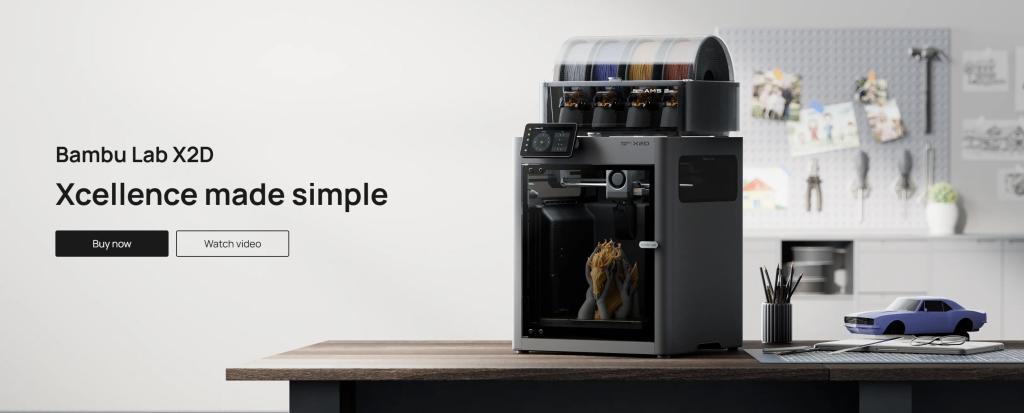
The world of desktop 3D printing continues to evolve rapidly, and Bambu Lab is once again raising the bar with the launch of the Bambu Lab X2D. Designed as the next-generation successor to the X1 series, the X2D focuses on solving some of the biggest frustrations makers face: difficult support removal, material limitations, wasted filament, and inconsistent print quality.
With a lightweight dual-nozzle system, intelligent calibration, active chamber heating, and AI-assisted monitoring, the X2D aims to deliver professional-level printing while remaining accessible for hobbyists, creators, educators, and businesses alike.
What Makes the Bambu Lab X2D Different?
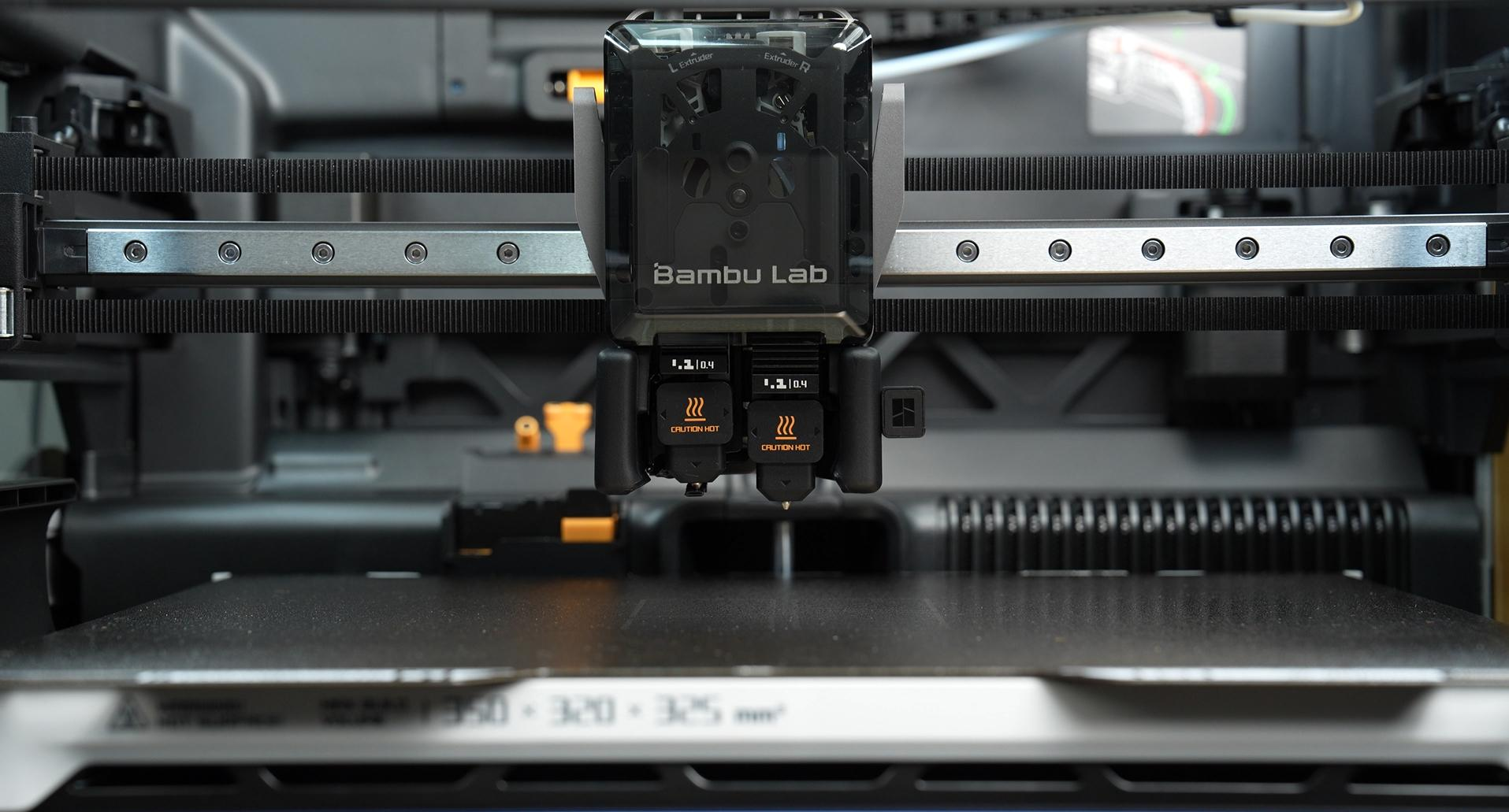
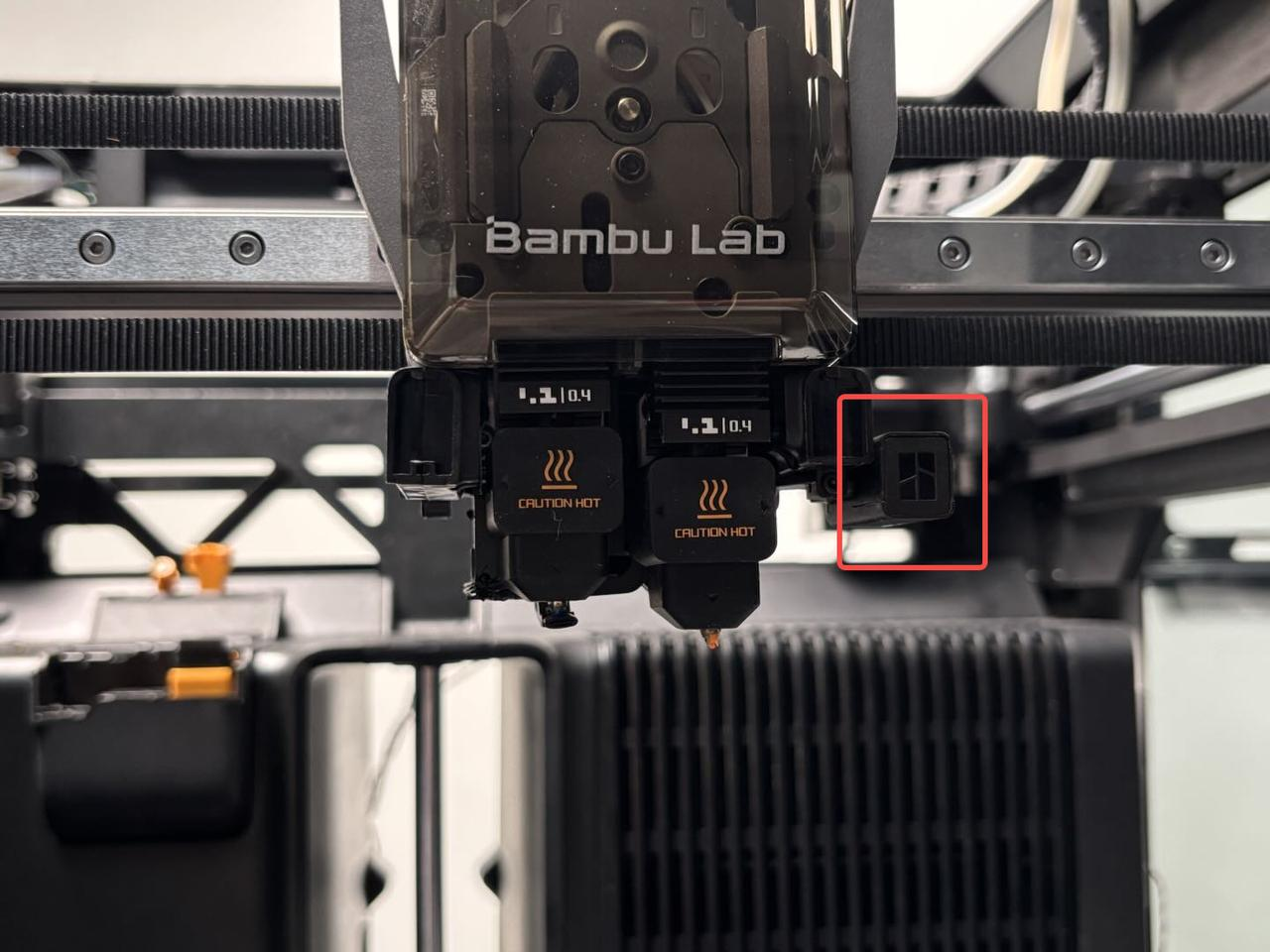
At its core, the X2D introduces a completely redesigned dual-nozzle extrusion system that allows users to print models and supports using different materials simultaneously. Instead of relying on a single nozzle with repeated filament purging, the X2D mechanically switches between two nozzles almost instantly.
This innovation brings several major advantages:
- Cleaner support removal
- Faster multi-color printing
- Less filament waste
- Better compatibility with engineering materials
- More reliable long-term performance
According to Bambu Lab, the mechanical switching system completed over one million nozzle swaps during lifecycle testing without performance degradation
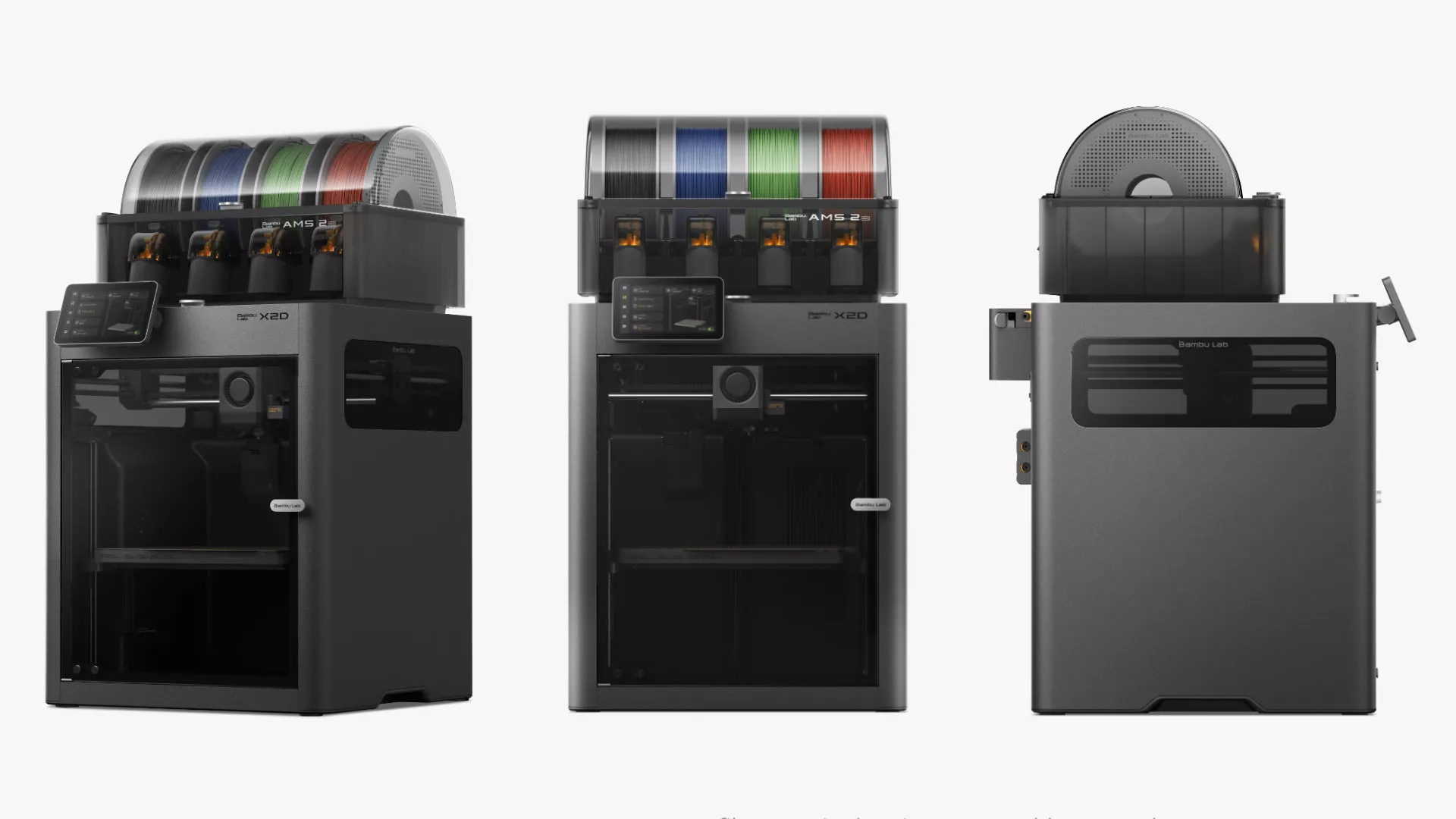
Dual-Nozzle Printing: Cleaner Supports and Better Multi-Material Projects
Traditional single-nozzle printers often struggle with support structures. Removing supports can damage surfaces, leave visible marks, and require extensive sanding or post-processing.
The X2D changes this by assigning the main nozzle to print the actual model while the secondary nozzle handles support material separately. This allows users to print supports using dedicated dissolvable or easily removable materials.
For creators printing complex geometries, overhangs, articulated models, or detailed prototypes, this can dramatically reduce cleanup time.
The dual-nozzle system also enables advanced multi-material printing. Users can combine rigid and flexible materials in a single print, such as:
- PLA for structural strength
- TPU for flexible components
- PETG for durable functional parts
This opens new possibilities for custom grips, wearable accessories, robotic components, and engineering prototypes.
Intelligent Calibration and AI Monitoring
Another standout feature is Bambu Lab’s Dynamic Flow Calibration system. Instead of relying solely on manual calibration, the X2D continuously monitors:
- Extrusion behavior
- Nozzle condition
- Filament flow
- Thermal performance
The system automatically compensates for wear, moisture absorption, and material inconsistencies before each print.
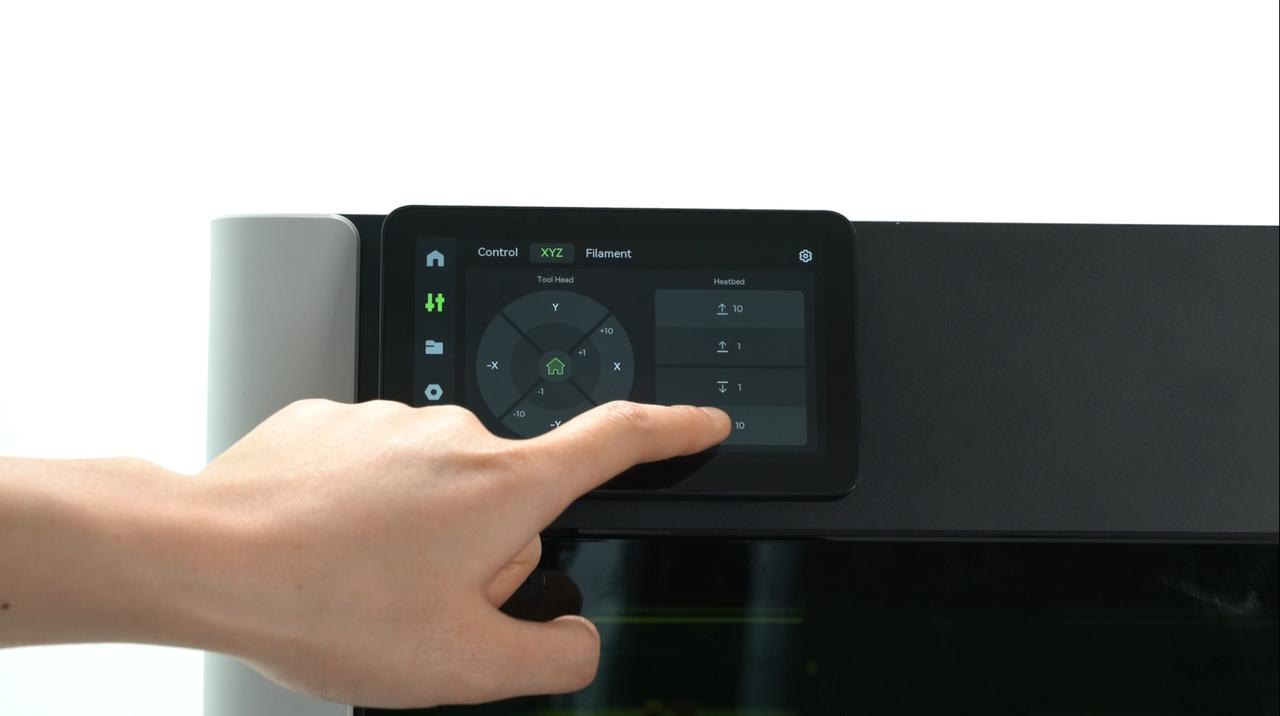
The printer also includes AI-assisted monitoring features and multiple sensors throughout the filament path and chamber environment. These systems help detect:
- Filament jams
- Feeding issues
- Print failures
- Temperature irregularities
Bambu Lab states the X2D includes 31 sensors dedicated to monitoring safety and print reliability.
Technical Specifications
| Feature | Specification |
|---|---|
| Build Volume | 256 × 256 × 260 mm |
| Nozzle Temperature | Up to 300°C |
| Heated Chamber | Up to 65°C |
| Extrusion System | Dual-nozzle mechanical switching |
| Filtration | HEPA + activated carbon |
| Sensors | 31 integrated sensors |
| Noise Level | Below 50 dB |
| Supported Materials | PLA, PETG, TPU, ABS, ASA, Nylon, CF materials |